Category: Analysis
-
Beyond Postmodernism: The Apple Store

Okay, let’s start here by outlining the supermarket as the ultimate postmodern shopping experience. A dizzying and purposefully confusing arrangement of choice, designed to distance ourselves from the physical reality of the products we wish to purchase. Which instead encourages us to facilitate our interaction with the world through recognisable branding, as brand awareness is…
-
Just cos I’m anime trash don’t mean anime is trash: Yuri!!! On ICE
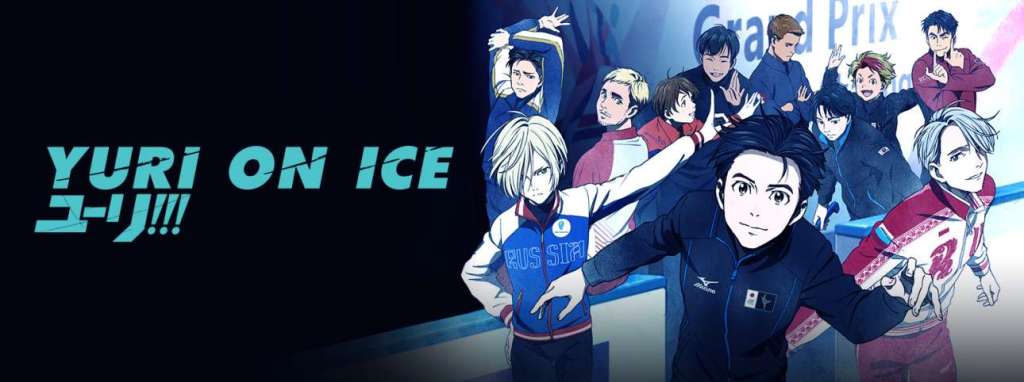
Yuri!!! on Ice is super gay. Like, gayer than all other sports anime, gayer than most other anime full stop. Just super super gay. Which is exciting because it’s like ‘Yay, unashamed, full-on representation!’ and it’s great. But then you look at the framework it’s taking place in and it’s like what I imagine it…
-
Beyond Postmodernism
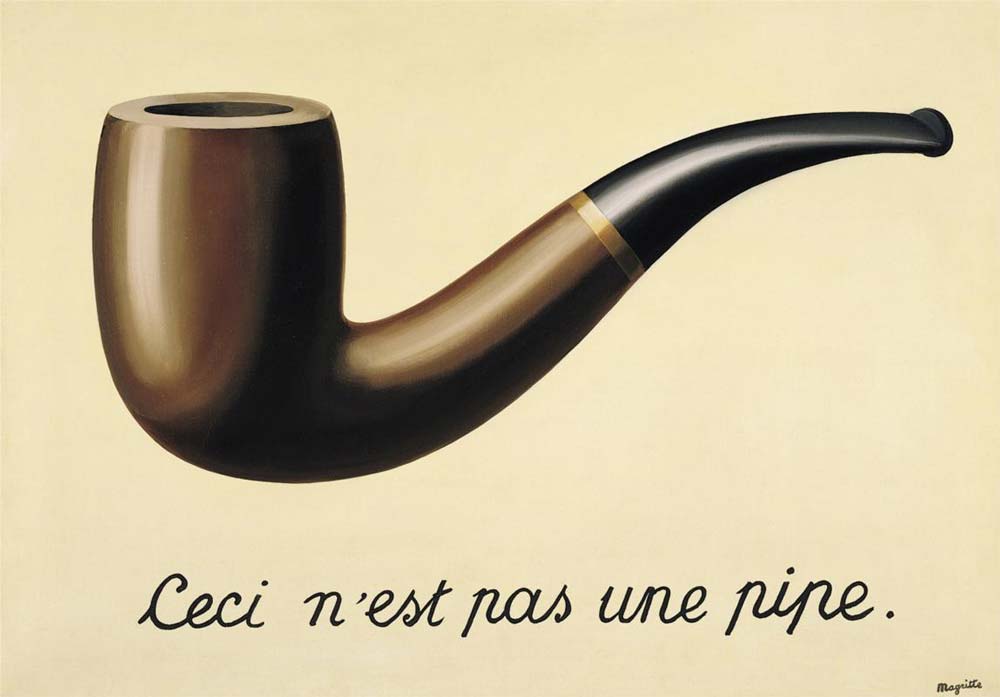
Postmodernism is a trap. Linguistically it defies definition, that post- positions it as a critical framework that can only be defined by its relationship to modernism. It also presents itself as the end game of criticism, how does a culture evolve from a postmodern one? Would that be a post-postmodern world, it’s too linguistically clumsy…
-
Looking at: Passengers’ Awful, Awful Message
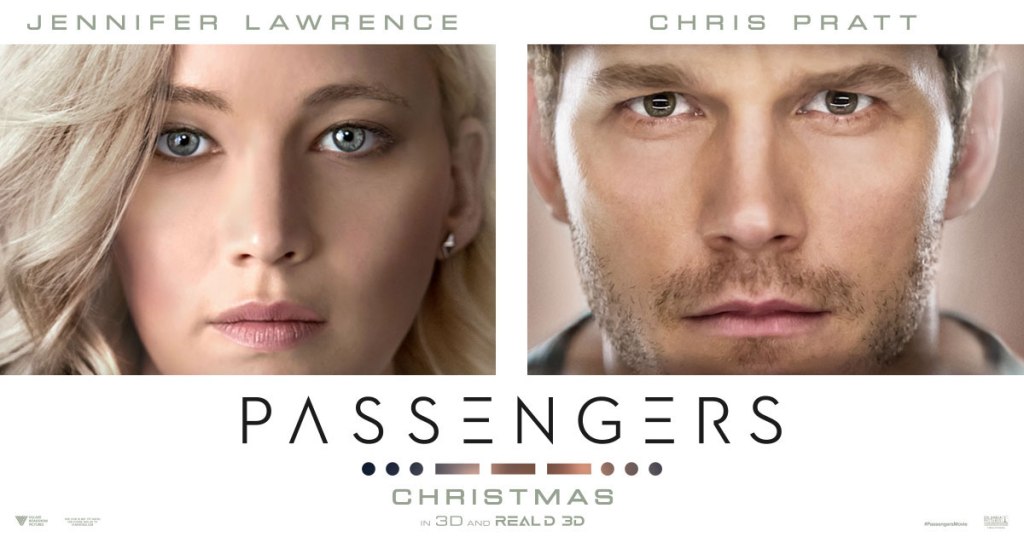
I didn’t write a review of Passengers at the time because I was busy and lazy. I got thoughts though. It was a film I actually saw in the cinema with family, they left the theatre thinking it was a functional (if forgettable) action sci-fi romance. I left convinced that the position the film takes…
-
Looking at: The McElroy Brothers’ Approach to Reference

I’ve been wanting to write about The McElroy Brothers for a long time. I’ve been following their work for maybe five, six, years now. Every time I got get to go I stopped , where to start given the enormity of their released work? A recent piece by Jaime Green for bkmag.com covers their collected…
-
Looking at: Semiotic Transference in Minecraft: Story Mode.

Despite the overwhelming popularity of Telltale’s adventure games we tend to hear very little about Minecraft: Story Mode. I’m gonna say because, more so then any of their other properties it is explicitly a work of Young Adult fiction. Even though a fair argument can be made for Tales from the Borderlands being fairly kid…
-
How Space (and the player’s interaction with it) Create Meaning in Mirror’s Edge and its Sequel.
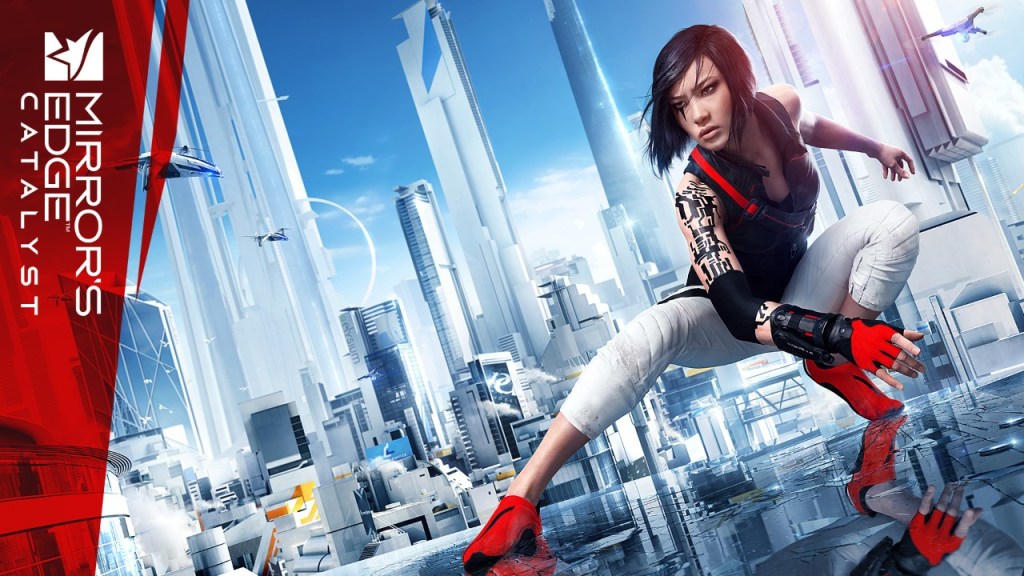
Mirror’s Edge was released in 2008 to a mixed reception from the critical community. Its follow up, Mirror’s Edge Catalyst, launched in 2016 to a similar assessment. The two games play very similarly, controlling a avatar from the first-person perspective the player uses a broad skillset of platforming moves to traverse their environment. This can…
 A Grand Quiet